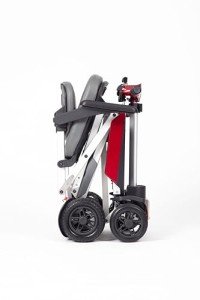
5 Laws That Anyone Working In Compact Mobility Scooters Should Know


Embracing Freedom: A Comprehensive Guide to Compact Mobility Scooters
As the world continues to accept development and inclusivity in transport, compact mobility scooters have become a pivotal alternative for people who look for independence and mobility. lightweight mobility scooters are developed for those with restricted mobility and have actually become increasingly popular amongst seniors, individuals with disabilities, and anybody requiring assistance in navigating. This post looks into the nuances of compact mobility scooters, their benefits, types, and everything one needs to understand to make a notified choice.
What are Compact Mobility Scooters?
Compact mobility scooters are small, lightweight versions of conventional mobility scooters, engineered for easy transportation and maneuverability. They come equipped with functions that deal with urban environments, such as narrower frames and tighter turning radii, making them ideal for indoor and outside usage. Whether you require a mobility scooter for running errands, mingling, or merely delighting in a day out, these scooters make such activities accessible.
Table 1: Key Features of Compact Mobility Scooters
| Feature | Description |
|---|---|
| Size | Usually in between 3-4 wheels; compact style |
| Weight | Lightweight variants typically weigh 80-100 pounds |
| Battery Range | Can typically travel up to 15-25 miles |
| Speed | Average speeds of 4-7 miles per hour |
| Turning Radius | Smaller turning radius for city dexterity |
| Portal Accessibility | Ability to fit through basic entrances |
| Portability | Easily taken apart for transport |
Advantages of Using Compact Mobility Scooters
1. Enhanced Mobility
Compact mobility scooters offer users the freedom to navigate environments that may otherwise be challenging or unattainable.
2. Liberty and Independence
Numerous users report a considerable increase in their ability to run errands or interact socially thanks to these scooters, which promote independence.
3. Portability
Many compact mobility scooters can be quickly disassembled into lightweight parts, making them convenient for travel in cars and trucks or public transport.
4. Economical Solution
Compared to powered wheelchairs, compact scooters often include lower price tags, making them an affordable choice for numerous.
5. Improved Quality of Life
With improved mobility comes increased chances for engagement with household, pals, and social activities.
Types of Compact Mobility Scooters
Selecting the ideal compact mobility scooter hinges on comprehending the different types readily available in the market. Here's a breakdown:
1. Travel Scooters
- Description: Lightweight and quickly disassembled, they are designed for people who are frequently on the move.
- Use Case: Ideal for trips or short trips.
2. 3-Wheel Scooters
- Description: Emphasizing maneuverability and compactness.
- Use Case: Best for indoor usage and tighter areas.
3. 4-Wheel Scooters
- Description: Offer more stability and can handle rougher terrain.
- Usage Case: Suitable for outside trips and unequal paths.
4. Heavy-Duty Scooters
- Description: Engineered for much heavier people, typically with greater weight capacities.
- Usage Case: Ideal for users needing durability and assistance.
Crucial Considerations When Choosing a Scooter
Before purchasing, it's important to assess numerous elements that might affect the decision. Here are key considerations:
1. User's Mobility Needs
Consider the specific mobility constraints of the user, along with the typical environments where the scooter will be used.
2. Weight Capacity
Guarantee the scooter can securely accommodate the user's weight, consisting of any extra products they might bring.
3. Battery Life
Evaluate how far the scooter can travel on a single charge, specifically if it will be used for extended getaways.
4. Mobility
Examine how rapidly the scooter can be taken apart and the weight of the individual parts if travel is a top priority.
5. Security Features
Try to find features such as headlights, turn signals, and anti-tip mechanisms for improved safety.
Frequently asked question Section
Q1: How do I keep a compact mobility scooter?
A: Regular upkeep consists of inspecting tire pressure, cleaning up the battery terminals, and ensuring all moving parts are lubricated. Constantly describe the producer's particular standards.
Q2: Are compact mobility scooters covered by insurance coverage?
A: Coverage can differ based upon your insurance plan and state regulations. Some may cover a part of the expense if prescribed by a medical expert.
Q3: Can I use my mobility scooter on public transportation?
A: Many public transport systems allow mobility scooters, but it's advisable to check particular policies and size limitations for each mode of transport.
Q4: How do I carry my scooter?
A: Most compact mobility scooters are designed to be easily disassembled. This makes it basic to carry in vehicles or keep away when not in usage.
Q5: What is the common rate range for a compact mobility scooter?
A: Prices can vary widely based on functions and brand however typically range from ₤ 600 to ₤ 3,000.
Compact mobility scooters represent the crossway of convenience, freedom, and development in accessible transport. With various types available, users are empowered to pick devices that cater to their distinct mobility needs. By thinking about factors like weight capacity, battery life, and portability, individuals can improve their quality of life, preserve independence, and expand their horizons. With the ideal compact mobility scooter, the world becomes a more accessible location.